
The Hi-EURECA-PRO project has enabled testing and measurement campaigns in Tenerife to study the degradation, diagnosis and performance of solar technologies under extreme environmental conditions.
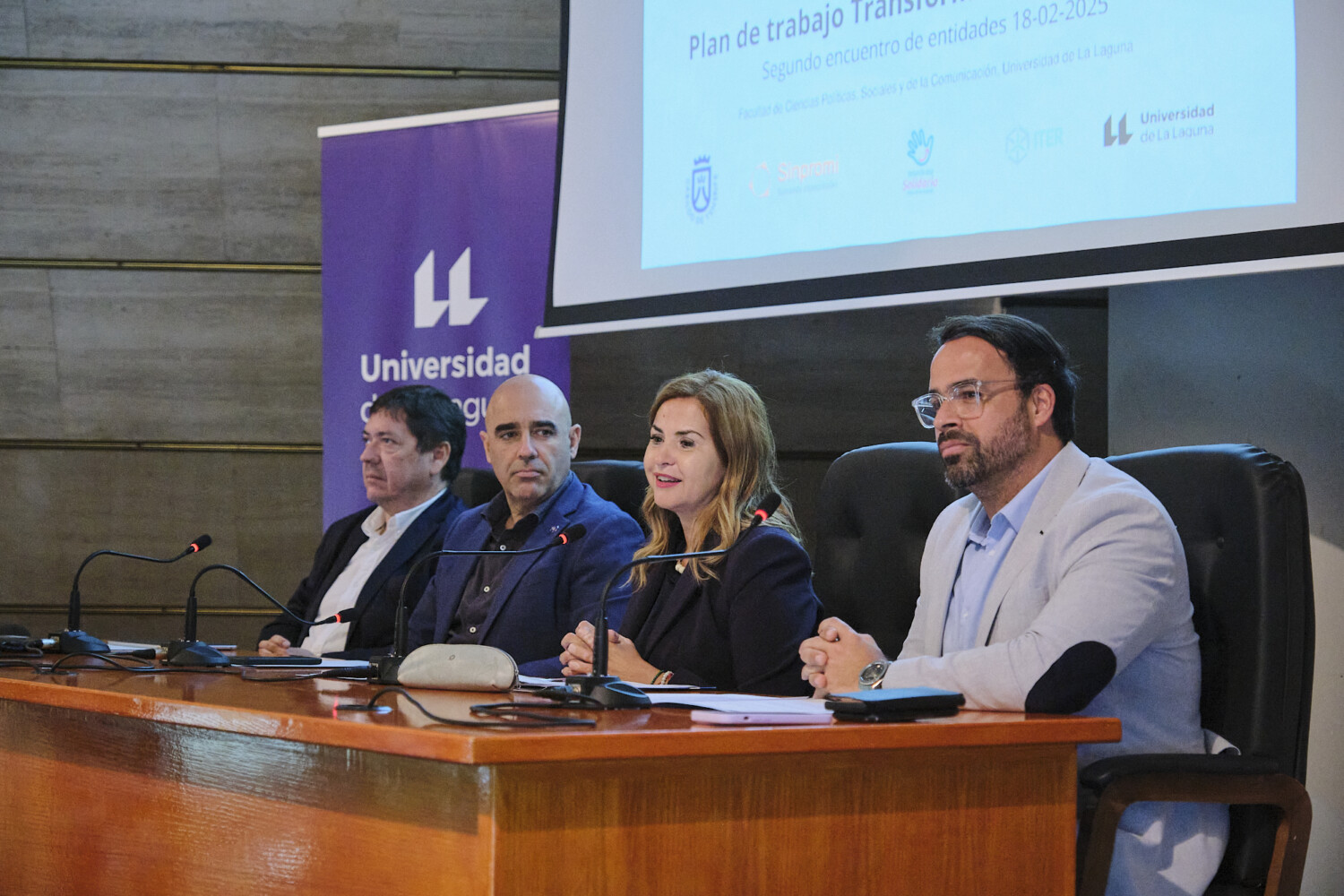
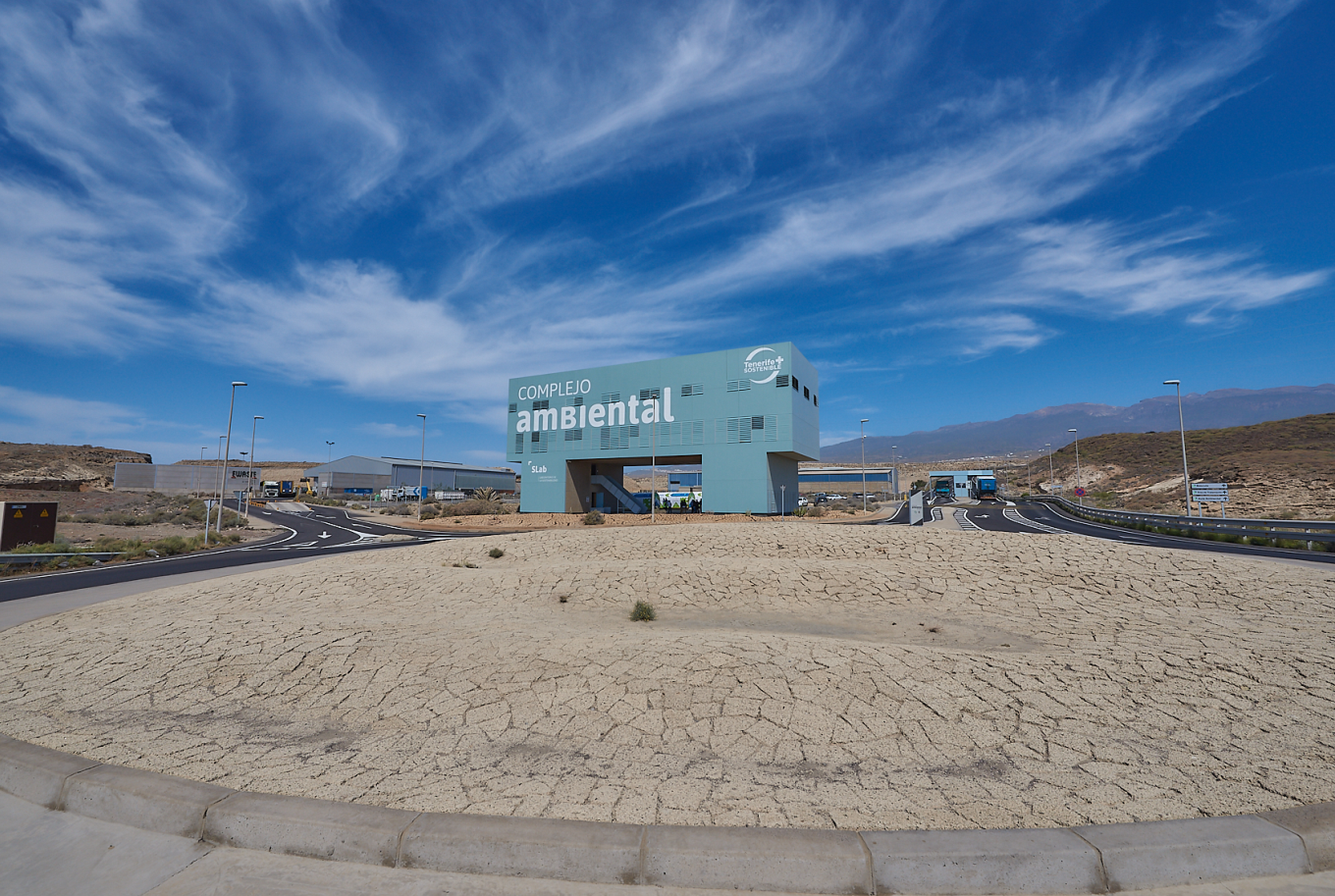
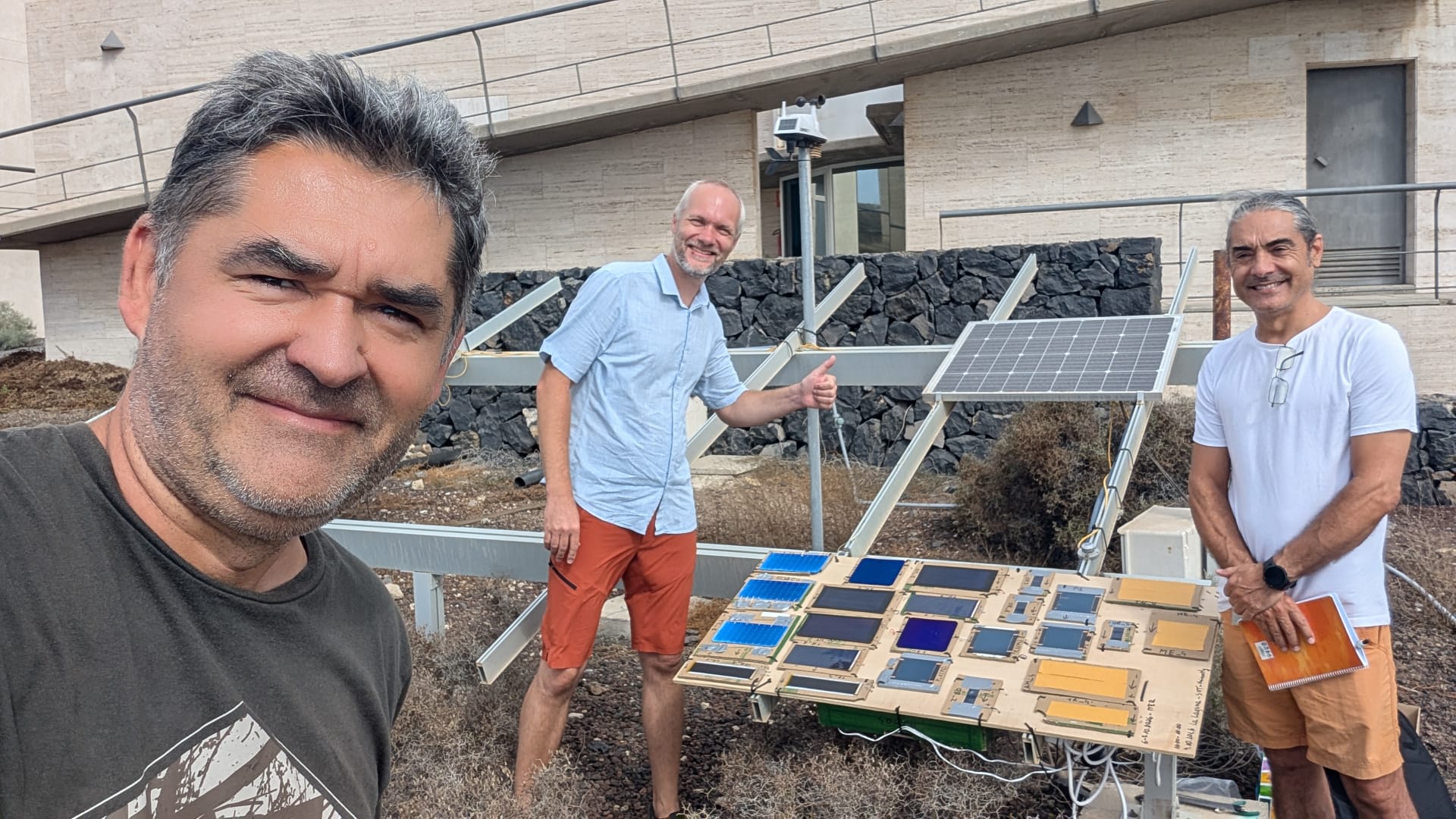
The Institute of Technology and Renewable Energies (ITER), an entity under the Tenerife Island Council (Cabildo Insular de Tenerife), hosted a joint research visit by a team from the Silesian University of Technology, led by Professor Damian Grzechca, in collaboration with the University of La Laguna (ULL). The stay was part of the Hi-EURECA-PRO project and involved Dr. Łukasz Chruszczyk and doctoral student Fatima Ez-Zahiri.
The visit combined scientific meetings with experimental activities focused on photovoltaic technologies, renewable energy systems and the development of diagnostic methods. The work also addressed how environmental conditions influence the performance, degradation and long-term reliability of photovoltaic systems.
Photovoltaic testing in high-mountain conditions
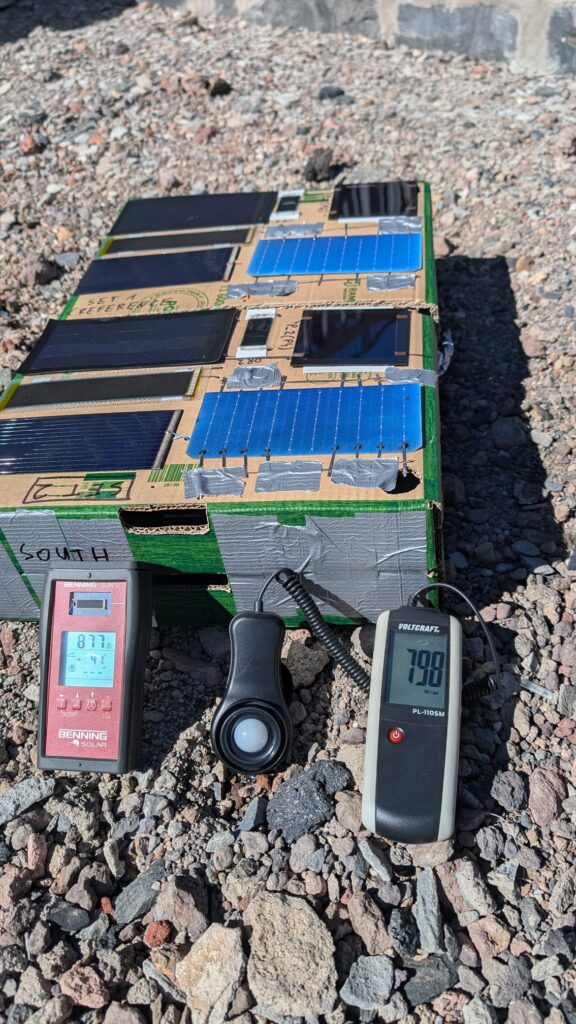
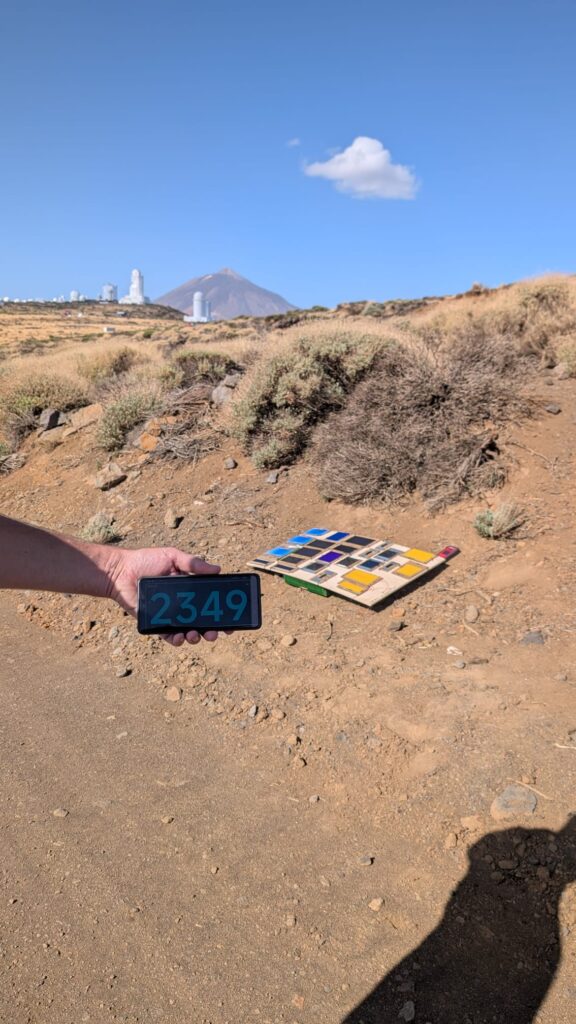
A significant part of the collaboration consisted of measurement campaigns and exposure tests at high-mountain sites near the Izaña Atmospheric Observatory and Teide. These environments offer conditions of particular interest for investigating the behaviour of photovoltaic systems under factors such as high ultraviolet radiation, low atmospheric pressure and complex meteorological conditions.
The tests make it possible to gain deeper insight into the processes affecting solar materials and devices when exposed to demanding environmental conditions, providing relevant information for assessing their durability and reliability.
The research also included preliminary analyses of atmospheric pollutants and the deposition of suspended particles. The aim is to study their possible influence on the soiling of photovoltaic modules, optical losses and, consequently, the performance of solar installations in high-mountain environments.
Advanced diagnosis of perovskite solar cells
In parallel, Dr. Luis Ocaña took part in the experimental campaign by introducing controlled defects into new perovskite solar cells. This procedure allows the degradation mechanisms of these devices to be investigated systematically and advanced diagnostic methodologies to be validated.
The joint work opens new avenues for further analysis of photovoltaic degradation and for the development of tools to detect and characterise defects, with particular attention to artificial intelligence-based diagnostic technologies.
A collaboration for future research
The initiative has fostered the exchange of knowledge among the participating teams and lays the groundwork for future joint research in areas such as photovoltaic degradation, exposure to ultraviolet radiation, thermal effects, artificial intelligence-based diagnosis, soiling associated with pollutants, and the energy management of solar applications in high-mountain environments and in the stratosphere.
This collaboration strengthens joint work between academic institutions and research centres to advance knowledge of photovoltaic technologies and contribute to the development of more reliable solar systems adapted to demanding environmental conditions.