
Genomic Big Data Analysis Service
Data
Acronym: SAMDG
Co-funding: This project was initially co-funded during the 2018–2019 biennium by the MEDI-FDCAN Programme 2016–2025, and was included within the Tenerife Island Council’s Strategic Framework for Island Development (MEDI) 2016–2025. During 2025 and the first half of 2026, it has received funding as part of the Tenerife Island Innovation Master Plan.
- 2018 and 2019. Tenerife 2030 Programme: Innovation, Education, Culture and Sport. Tenerife Island Council.
- The year 2025 and the first half of 2026. Tenerife Island Council’s Department of Research, Innovation and Development.

Project overview
The project known as the “Massive Genomic Data Analysis Service” (SAMDG) has been the cornerstone of the R&D activities of the Genomics Area of ITER since its establishment in 2016. Through this initiative, a range of actions are carried out that contribute to the progressive alignment of ITER with national and European strategies in Personalized Precision Medicine (https://impact.isciii.es/).
Objective
The fundamental objective of this project is to develop R&D initiatives aimed at providing, from Tenerife, the scientific knowledge and unique resources available at ITER in three complementary areas:
- Human capital development, through the creation of an outstanding multidisciplinary research team composed of professionals with diverse expertise.
- Acquisition and implementation of new, unique technological resources in the region, together with laboratory protocols adapted for high-throughput nucleic acid sequencing (DNA and RNA).En la adquisición y puesta a punto de nuevos recursos instrumentales únicos en el territorio y protocolos de laboratorio adaptados a la secuenciación de alto rendimiento de ácidos nucleicos (ADN y ARN);
- Adaptation of high-performance computing (HPC) infrastructure for the deployment of bioinformatics tools that enable large-scale genomic data processing.En la adaptación de la infraestructura de computación de altas prestaciones (HPC) para el uso de las herramientas bioinformáticas que facilitan el procesado masivo de datos genómicos.
Main Activities and Collaborating Entities
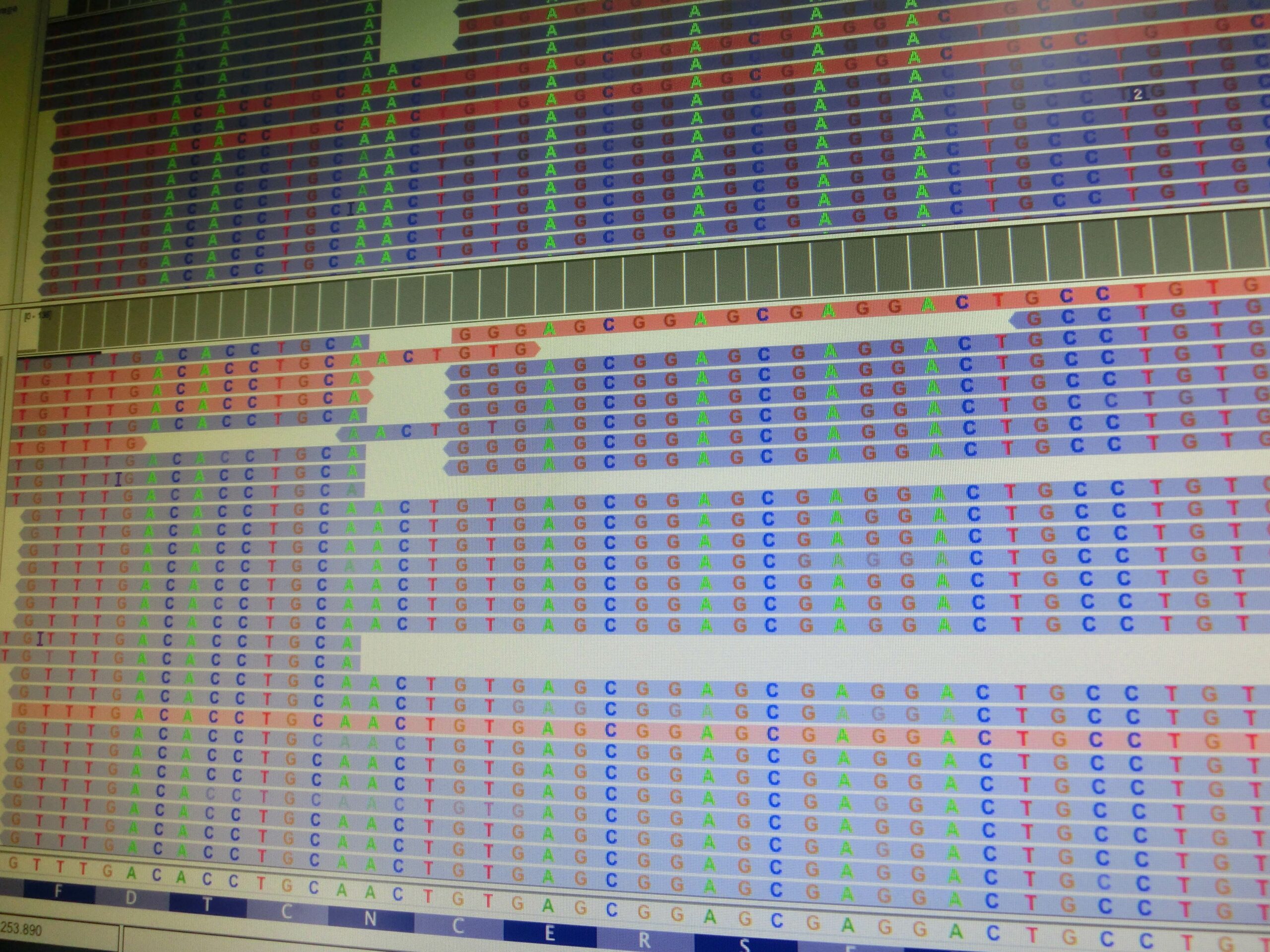
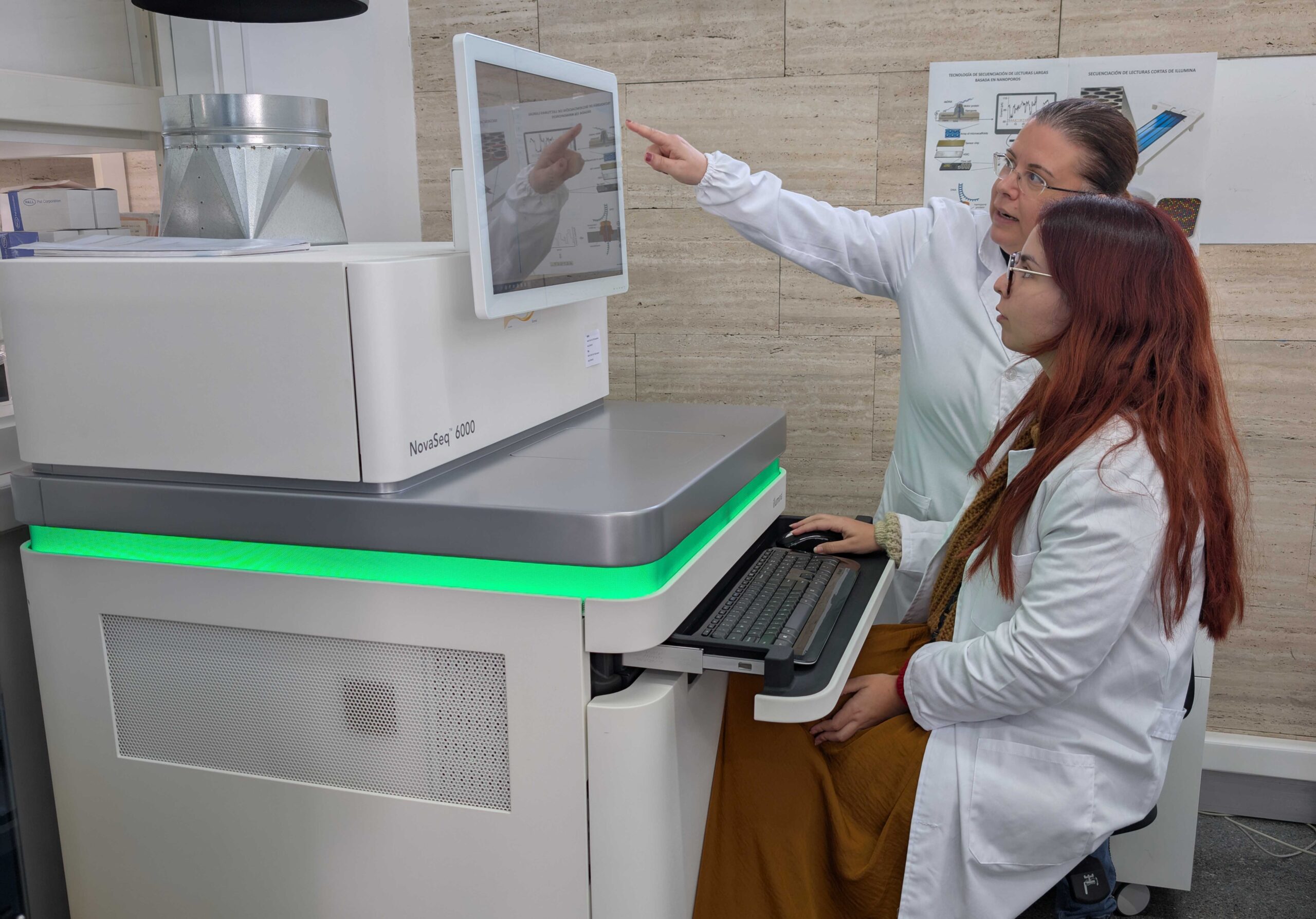
Currently, the Genomics Area at ITER offers multiple sequencing capabilities through its second- and third-generation high-throughput sequencing platforms, based on short-read and long-read technologies, respectively. At the ITER Genomics Laboratory, the sequencing of several tens of thousands of complete human genomes and exomes has been successfully completed.
Since the end of 2025, the laboratory has offered the possibility of analyzing part of the human proteome using Olink Reveal technology (1,034 proteins), which is based on high-throughput sequencing. Furthermore, since June 2026, the laboratory has incorporated the capability to sequence the entire human methylome, representing one of its most significant new applications in the field of epigenetics.
The Genomics Laboratory associated with the SAMDG project possesses the expertise and infrastructure required to develop protocols for the routine large-scale sequencing of nucleic acids from virtually any species (https://www.iter.es/servicios-omicos/). One of the project’s most significant historical milestones was achieved in January 2017, when the first advances of this new ITER division were publicly announced: the sequencing of the first 10 complete human genomes ever sequenced in the Canary Islands, under conditions ensuring quality and reproducibility. This pioneering achievement has since been followed by other notable accomplishments. In collaboration with several institutions across the Canary Islands, the laboratory has sequenced more than 40,000 samples of respiratory viruses of public health interest—including SARS-CoV-2 (the coronavirus responsible for COVID-19), influenza viruses, and respiratory syncytial virus (RSV)—as part of its participation in national surveillance networks for emerging and re-emerging pathogens through high-throughput sequencing technologies.
Another major milestone achieved by the Genomics Area, thanks to the support of the SAMDG infrastructure, is its contribution as a national sequencing center for the PRECISION-EPID project, which has enabled the sequencing of one thousand patients affected by diffuse interstitial lung disease across Spain.
In addition, these developments have led to the recognition of the scientific excellence of ITER’s Genomics Area through its establishment as an Associated Unit of the Spanish National Research Council (CSIC), together with the Institute of Natural Products and Agrobiology (IPNA-CSIC), under the initiative known as the “High-Throughput Genomics Platform for Biodiversity Studies.”
All R&D activities channelled through the SAMDG project are helping to position Tenerife and the Canary Islands among the national and international centers of excellence that promote research in Personalized Medicine.
It is also worth noting that the initiatives promoted by the Tenerife Island Council anticipated many of the recent developments that have gained prominence nationwide. In particular, there is a clear alignment with the Recommendations for a National Precision Personalized Medicine Strategy, prepared in 2017 by a distinguished group of biotechnology experts through the Roche Institute Foundation. Within the report’s recommendations—specifically Area 6: Research and Innovation (R&I)—a growing national consensus was identified regarding the development of strategies for Personalized Precision Medicine, including the promotion of studies aimed at characterizing genetic variation in healthy populations.
This alignment was further reflected in the work of the Spanish Senate’s Parliamentary Commission on Precision Medicine during the 2017–2018 period, whose objective was to analyze the future of Precision Personalized Medicine and its impact on the National Health System and its funding. After a decade of continuous development, ITER’s Genomics Area has become a recognized benchmark in its field.